
What is Social Media Doing to Kids? with Dr. Jean Twenge

Special World Happiness Day of The Happiness Lab: What is Social Media Doing to Kids? with Dr. Jean Twenge
The World Happiness Report is one of the most important annual assessments of global well-being. This year, a major focus landed on something many parents already worry about: social media and young people's happiness.
This week on The Happiness Lab, I talk with psychologist Dr. Jean Twenge — one of the first researchers to sound the alarm on teens and technology — about what these new global data actually show, why the relationship between social media and well-being is more complex than "more screen time = more bad," and what her new book 10 Rules for Raising Kids in a High-Tech World says parents can actually do about it.
Listen to the full conversation, “What is Social Media Doing to Kids? with Dr. Jean Twenge”
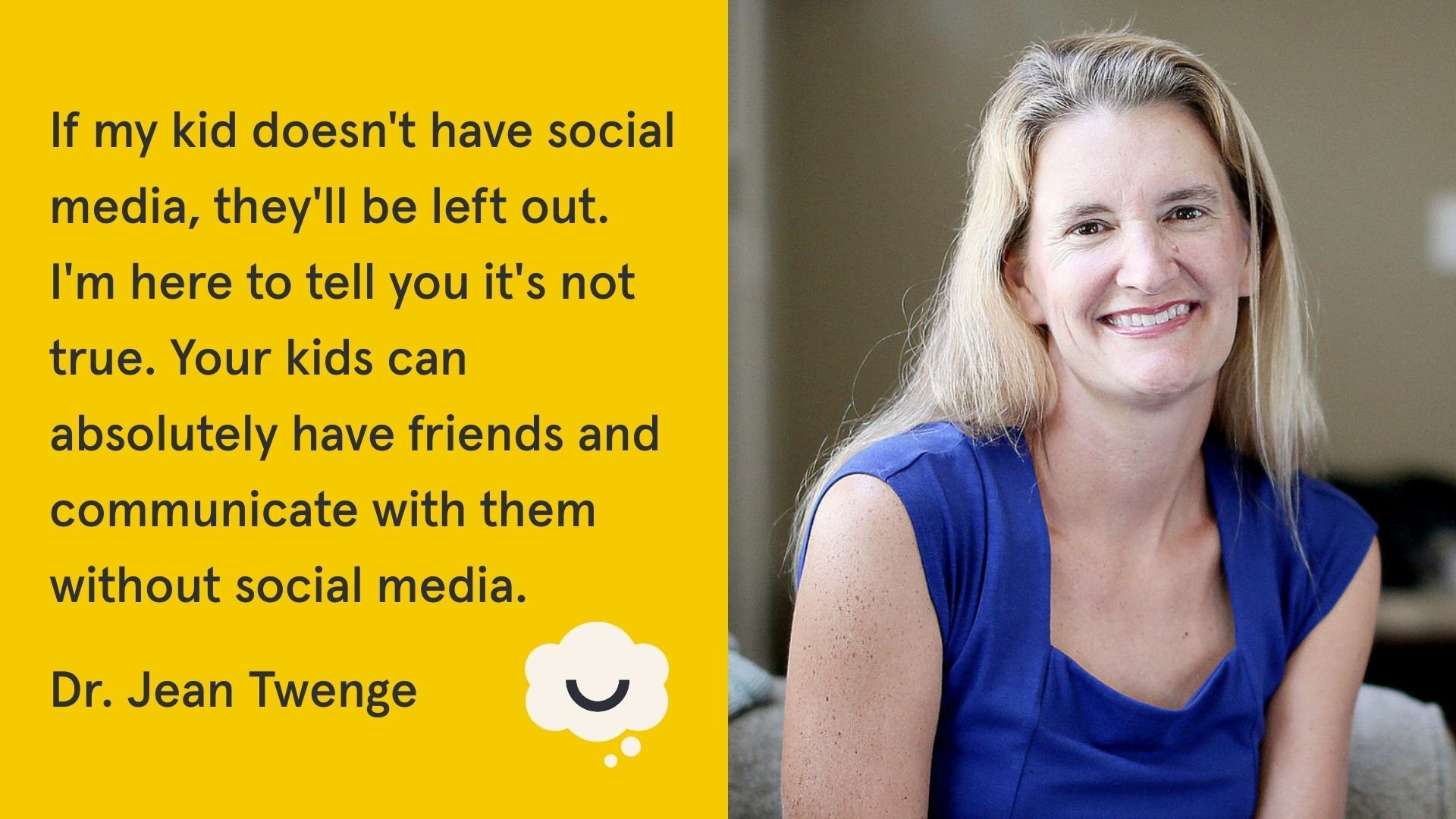
If my kid doesn't have social media, they'll be left out. I'm here to tell you it's not true. Your kids can absolutely have friends and communicate with them without social media. — Jean Twenge
How to Protect Your Kids in a High-Tech World
Pay attention to how much time your kid spends on social media — especially heavy use.
The World Happiness Report's international data show that heavy social media use is consistently linked to lower well-being among young people, especially girls. Light use may be fine, but the more time teens spend scrolling, the steeper the drop. Track your child's actual usage and set daily time limits.
Tailor your approach to technology.
The global data reveal that social media affects boys and girls differently — and the effects even vary across cultures. Rather than applying a blanket rule, observe how your specific child responds to screen time and adjust boundaries accordingly.
Take the research seriously, even when people call the effects "small."
When millions of young people are affected, even modest statistical effects translate into enormous real-world consequences. Trust what you're seeing at home — if your child seems more anxious or more withdrawn, the findings back up your instincts.
Rules matter more than conversations alone.
Jean's experience as a mom of three teenagers has led her to a clear conclusion: talking to kids about social media helps, but setting concrete boundaries is what actually changes behavior. Clear rules — like no electronics in the bedroom at night and setting up phone-free zones — give families structure.
Check Out Jean's New Book
Jean's new book, 10 Rules for Raising Kids in a High-Tech World, lays out some great tips that your family can start using right away.
Take Action This Week: Pick one phone-free zone to try at home like the dinner table or the bedroom at night. Tell your family it's a phone-free zone and decide in advance where phones will go (a basket by the door, a charging station in another room).
If you choose the bedroom, set up alarm clocks for everyone who claims they "need their phone to wake up." Planning ahead means you'll have answers ready when someone says "but I need my phone for..." — and you'll be more likely to stick with it.
Coming Up on The Happiness Lab...
Do you ever look up from your phone and realize you just lost an hour to something you weren't even enjoying? Next week on The Happiness Lab, I sit down with Harvard legal scholar Cass Sunstein to talk about why so many of us keep using products we'd be happier without — and what his research for this year's World Happiness Report reveals about escaping the cycle.
Looking for more?
You can find all our companion guides from this season of The Happiness Lab on DrLaurieSantos.com/Newsletter.
Did you get this newsletter from a friend? Sign up here to receive weekly happiness tips directly in your inbox!