
How to Find "The One": The Science of Dating with Tim Molnar

New episode of The Happiness Lab: How to Find "The One": The Science of Dating with Tim Molnar
Modern dating can feel exhausting. On one hand, there’s the seemingly endless swiping that leads to dating app burnout; on the other, there’s what can feel like the insurmountable challenge of meeting someone in real life.
But could there be a more scientific approach to dating? This week on The Happiness Lab, behavioral scientist and dating coach Tim Molnar, author of Date Smarter: A Strategic Guide to Modern Romance, explores what the research really says about how to meet the right person, build genuine connection, and avoid common dating mistakes.
Listen to the full conversation, “How to Find "The One": The Science of Dating with Tim Molnar”
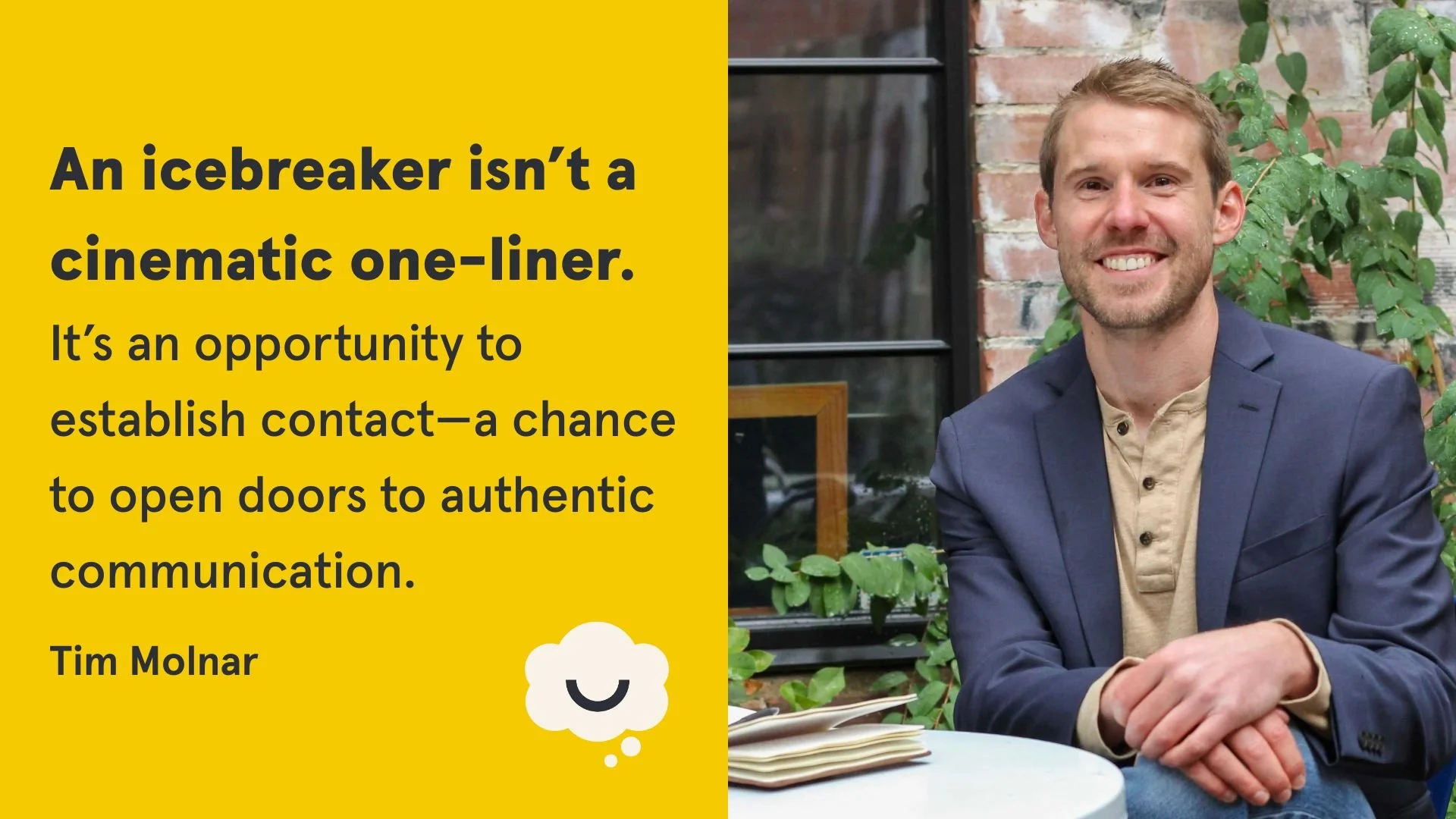
An icebreaker isn’t a cinematic one-liner. It’s an opportunity to establish contact—a chance to open doors to authentic communication. — Tim Molnar
How to Date Smarter, According to Science
Build resilience with real statistics.
Research shows men get a "yes" when asking women out about one in five times. Tim used that 20% baseline to reframe rejection as expected, and he planned ahead with feel-good activities for when it inevitably happened.
Figure out where you're actually getting stuck.
Ask trusted friends or a therapist: "Why do you think I'm single?" Pinpointing your specific bottleneck — meeting people, asking them out, going on second dates — lets you focus your effort where it matters most.
Set a "date number" to turn a big goal into a finite plan.
Tim set his date number at 300 asks — roughly 60 first dates at a 20% success rate. A big number, yes, but still finite. Pick the step where you're stuck, attach an ambitious number to it, and suddenly you have an actionable plan.
Get a "date mate" for accountability.
Find a friend you check in with weekly about your dating goals. You're far more likely to follow through on plans when someone else knows about them.
Put yourself in real-life situations designed for conversation.
Tim found second dates were far more likely when he met people in person. Choose places you genuinely enjoy where conversation is built in — a book club, trivia night, a pottery class — and make yourself approachable.
If you use dating apps, use them wisely (and sparingly).
Swipe-based algorithms mirror slot machines, and the average person spends 51 minutes a day on apps without it leading to dates. Cap usage at 15 minutes (and set an alarm to remind you to leave the app), lead with a candid photo, and aim to move to an in-person meeting within two to five days.
Take Action This Week: If you’re still dating, pick your date number. Identify one step in the dating process and commit to a specific, ambitious number. Put the first concrete action on your calendar: Tuesday at 7 PM, trivia night at [specific spot]. And tell one friend your plan.
Coming Up Next Week...
What if love isn’t about checking boxes or feeling fireworks right away? Next week on The Happiness Lab, I talk with social psychologist Paul Eastwick about why popular ideas about attraction often miss the mark and how connection actually forms according to the science.
Looking for more?
You can find all our companion guides from this season of The Happiness Lab on DrLaurieSantos.com/Newsletter.
Did you get this newsletter from a friend? Sign up here to receive weekly happiness tips directly in your inbox!